


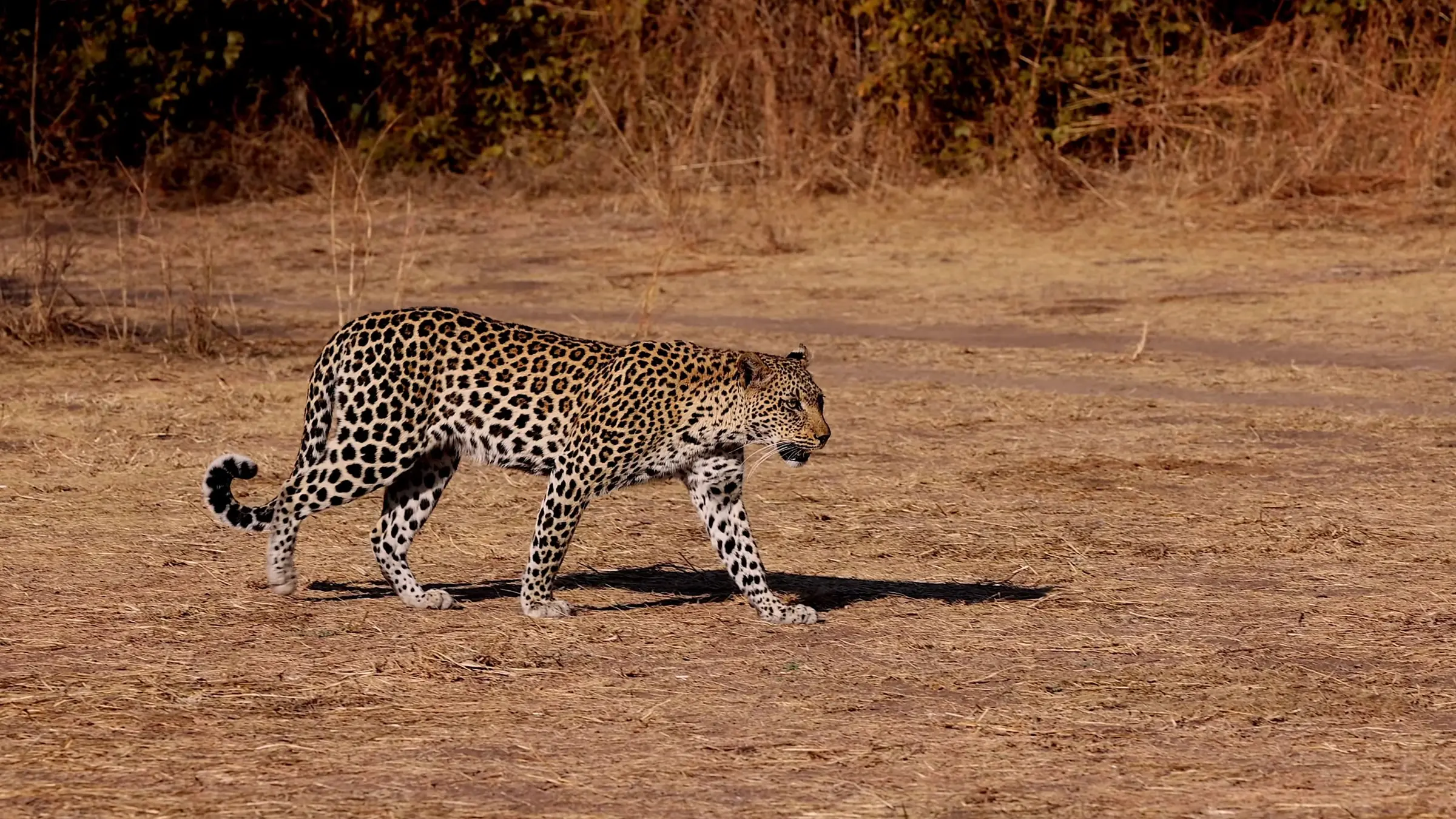
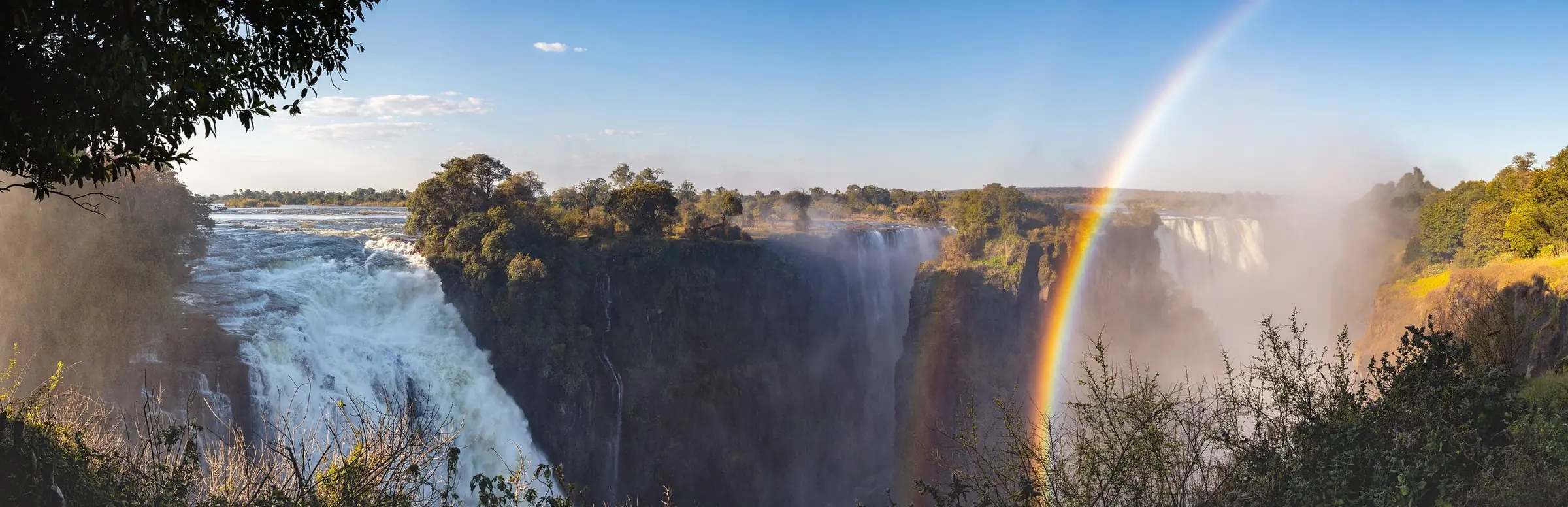
People and wildlife share one land
Coexist
When wildlife comes close, help comes
Fast
Every report helps us protect
Wildlife
From Mosi-oa-Tunya to every village
Balance
Wild Mosi helps communities, rangers and conservation partners in Zambia report, track and respond to human–wildlife conflict, quickly and accurately, day or night.
Slide //01
The challenge
When wildlife and people meet, every minute matters
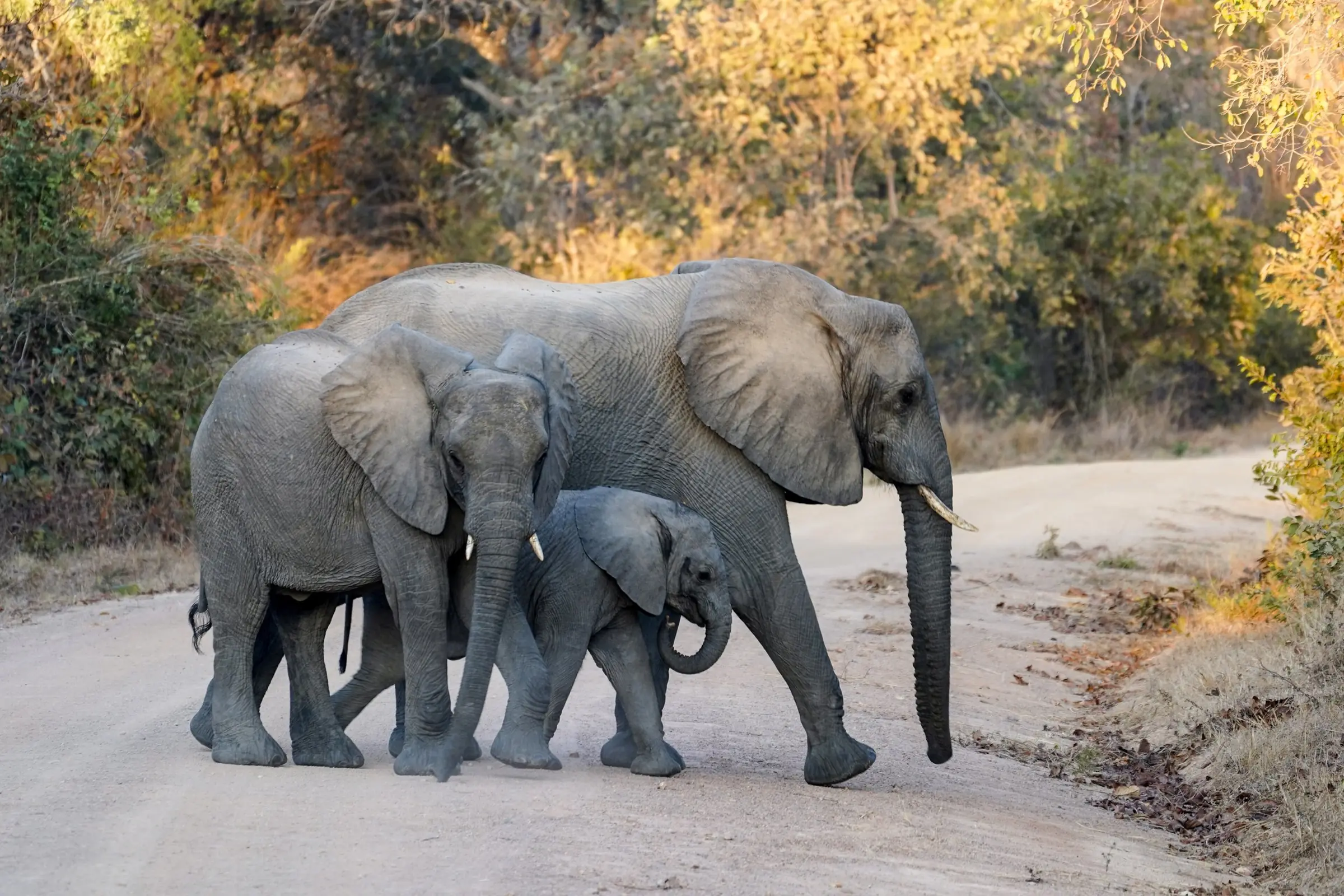
Communities near Mosi-oa-Tunya National Park face frequent elephant incursions, driven by drought and habitat loss. Crops are destroyed in a night, homes are damaged, and lives are lost.
- 10+
- lives lost in Livingstone
- Recent tragedies between 2023 and 2025, including a 91-year-old man in Nakatindi (2024) and a young boy (2025).
- 1,000
- cabbage heads lost in one raid
- A season of work and a family’s income can disappear in a single night.
- Night
- is when phone reporting fails most
- Reporting by phone call is slow, imprecise and inefficient for night-time emergencies.
Sources: NPR / Goats and Soda (2025), Lusaka Times (2023–2025), Diamond Media Zambia (2024).
How Wild Mosi works
From a report to a response, in one connected system
One platform links the person in danger, the responders who can help, and the partners who plan prevention.
- 01
Report in seconds
Press the emergency button and choose the animal: the phone sends the exact place on its own. Other reports take three steps, chosen from pictures.
- 02
The right people respond
The nearest rangers and responders are alerted at once. They accept, get road directions to the place, and the reporter sees that help is coming.
- 03
Everyone nearby is warned
Neighbours see a danger zone on the alerts map, with safety advice for that animal, until the area is safe again.
- 04
Every case teaches
Reports, responses and outcomes become a record of where and why conflict happens, for prevention, compensation and planning.
The app
Simple enough for anyone. Strong enough for response teams.
Designed with communities who live beside wildlife: pictures before words, no GPS questions, and nothing lost when the signal drops.
Two-tap emergency
Someone under attack, or an animal in the village: one button, one picture of the animal, sent.
Pictures, not paperwork
Choose the animal and the situation from pictures. Add photos if you can. No long forms.
Exact location, always
The place is taken from the phone automatically, so responders go straight to where help is needed.
Danger-zone alerts
A map of active zones near you, with what to do around each animal.
Directions for responders
Rangers see the incident on the map and the road route to it, turn by turn.
Works with weak signal
No signal? The report is saved on the phone and sent by itself as soon as it can be.
Safety tips with real photos
Short, clear advice for each animal, written by wildlife experts and shown when it matters.
Protecting wildlife too
Injured, trapped or trafficked animals, like the pangolin, can be reported and protected.
Sectors
Who we work with
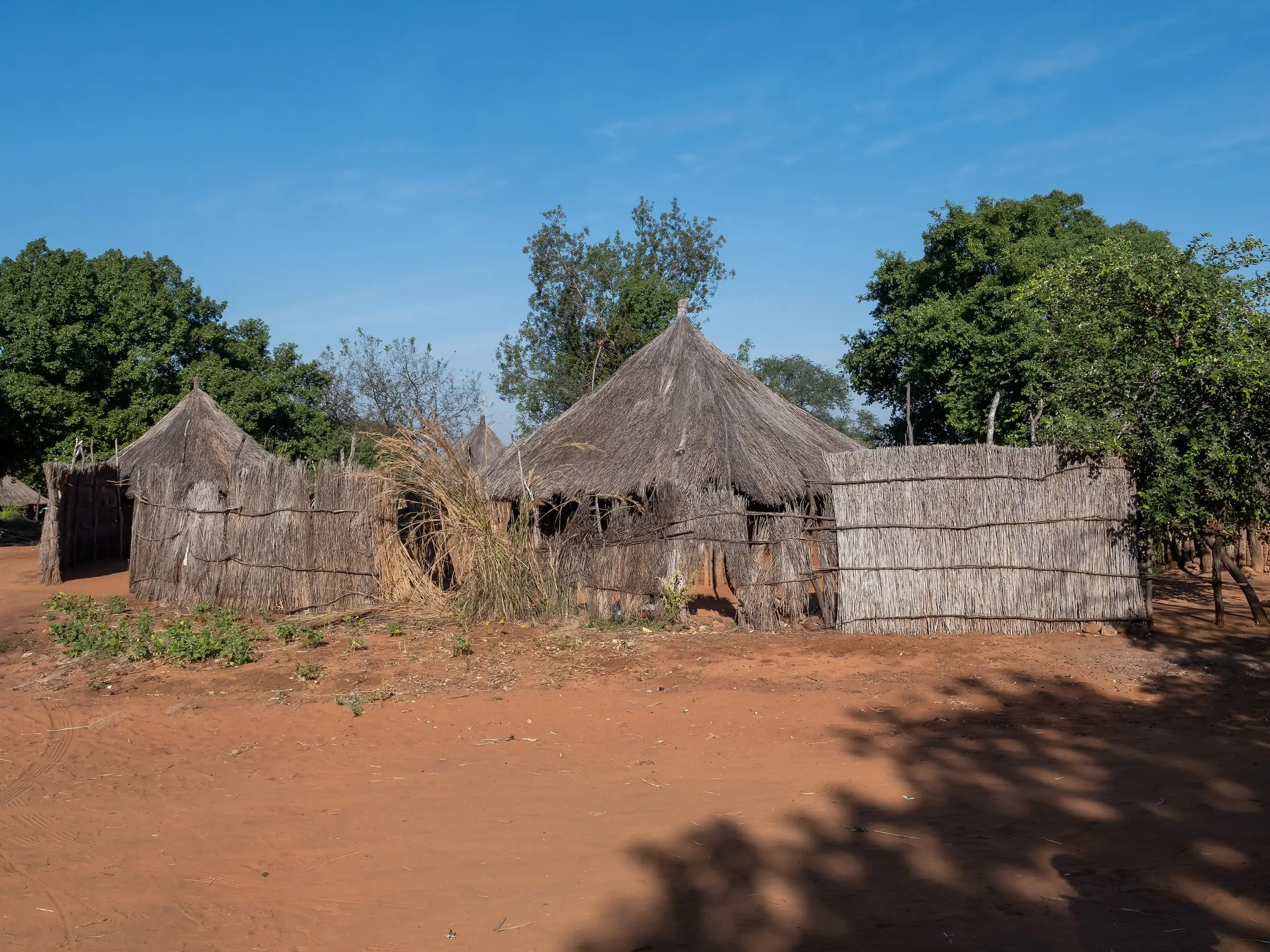
Communities and households
Families who farm, walk and live beside wildlife.

Wildlife authorities and rangers
The teams who respond when wildlife and people meet.

Agriculture and livelihoods
Farmers, cooperatives and the programmes that support them.
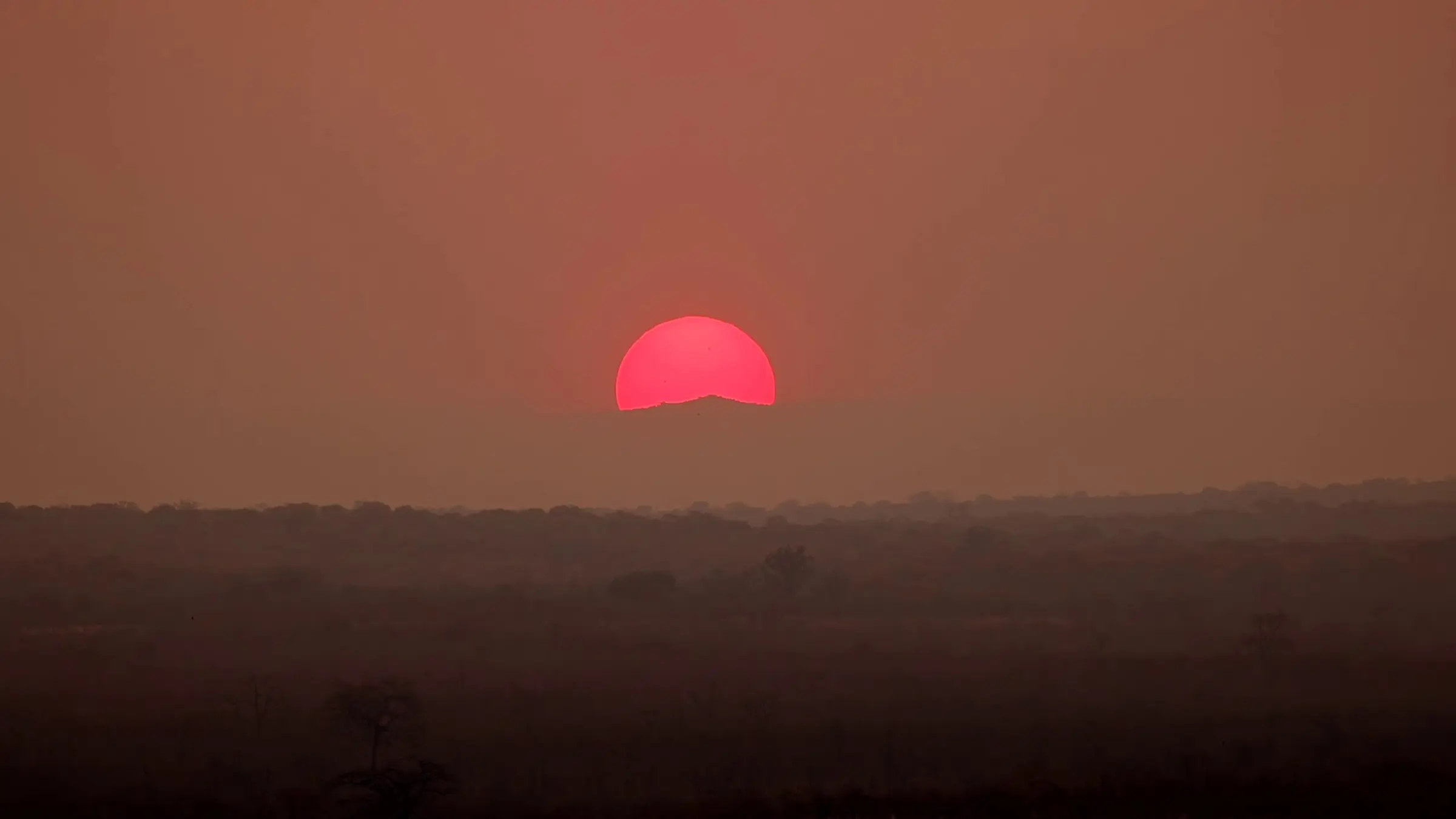
Local government and disaster management
Councils and offices responsible for public safety and planning.
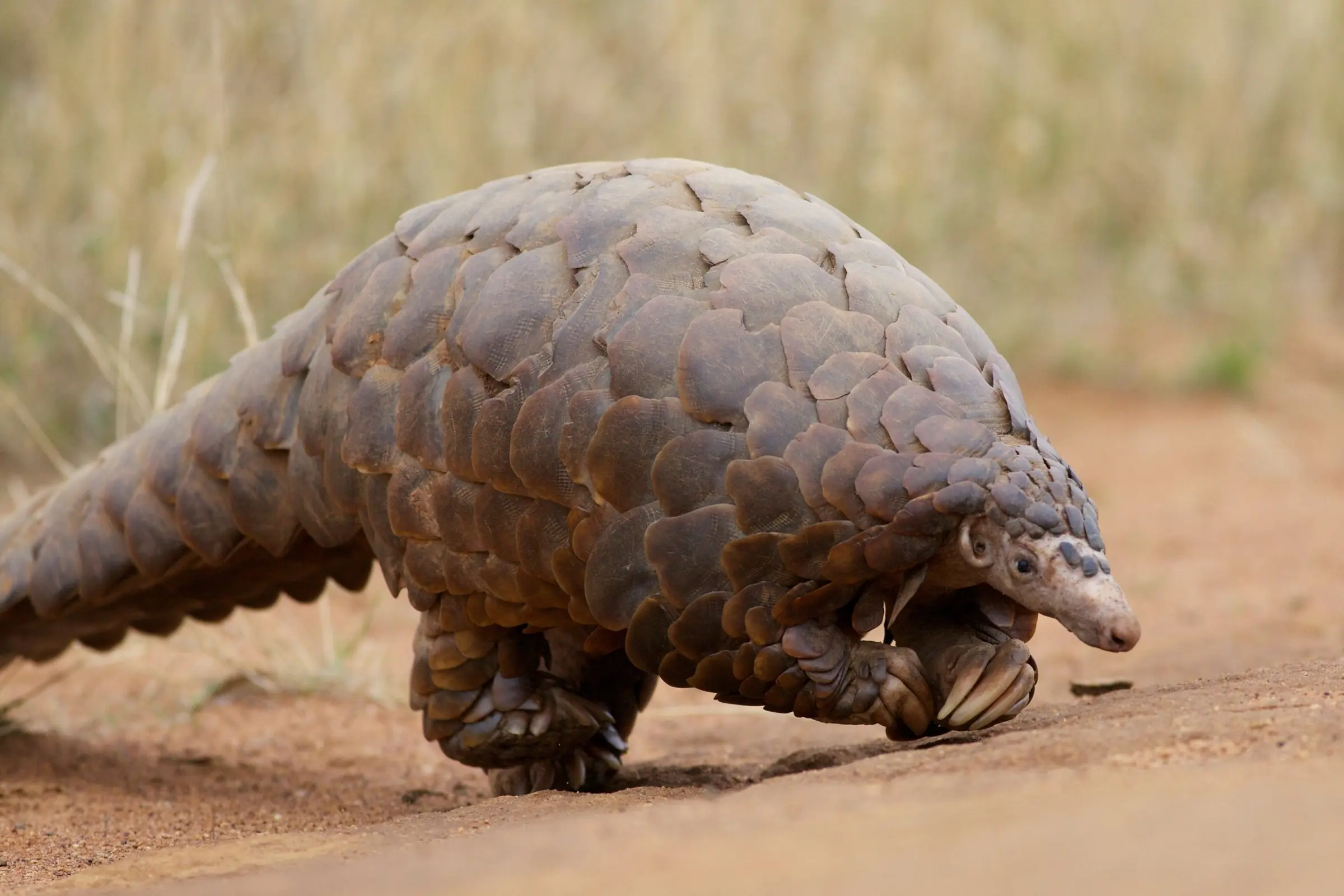
Conservation and research
NGOs, scientists and students working for wildlife.
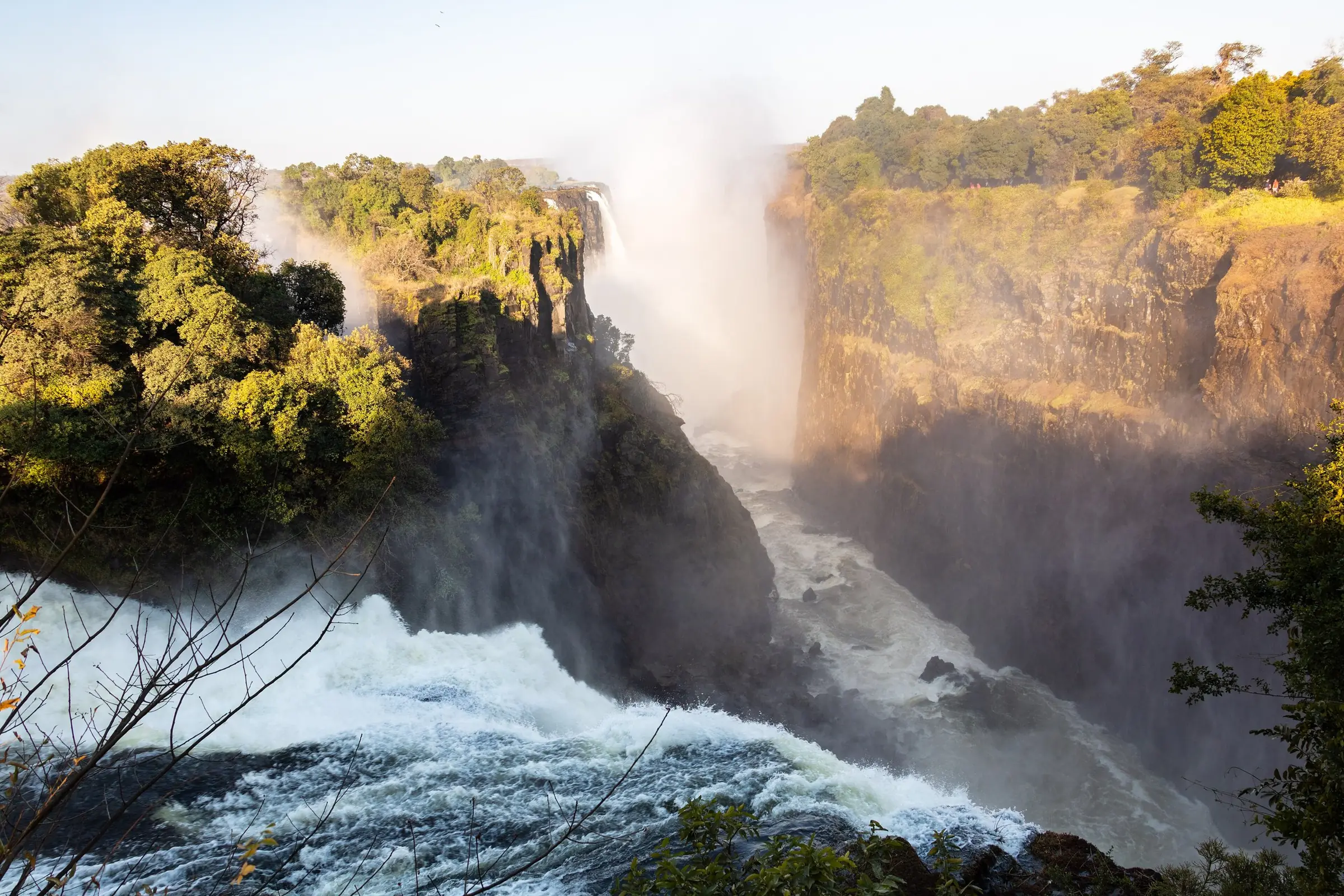
Tourism and hospitality
Lodges, guides and operators in wildlife country.
Our vision
A Zambia where people and wildlife share the land safely: where every family can farm, travel and sleep without fear, and every species has room to thrive.About Wild Mosi
For communities
The Wild Mosi app
The app is how communities report, get warned and stay safe. Download it, create your account in the app, and you are ready, day or night.
- Report with pictures, not forms
- Emergency report in two taps
- Danger-zone alerts near you
- Works with weak signal
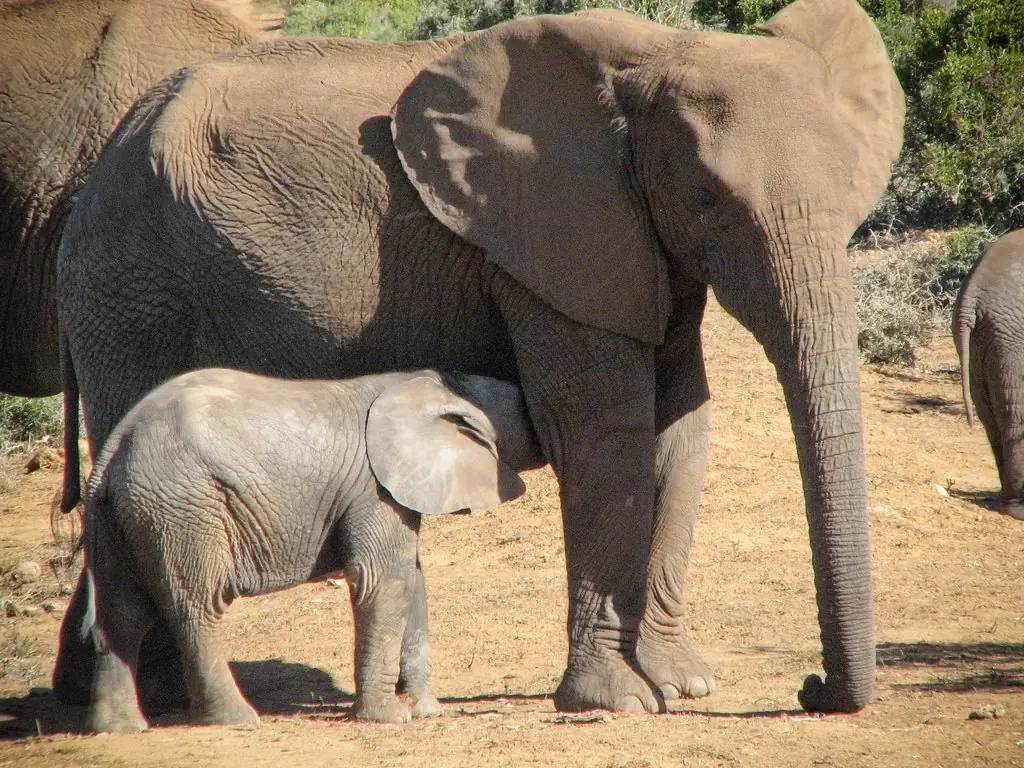
Bring Wild Mosi to your area, or work with us
Wildlife authorities, councils, conservation groups, researchers, funders and lodges: let's protect people and wildlife together.